
|
|
| HOME | CINEMA | GREEK CINEMA | FILMS - MOVIES | DIRECTORS | ACTORS | NEWS |
|
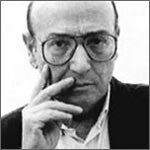
TEO ANGELOPOULOS
Teo Angelopoulos was born in Athens, Greece in 1935. He abandoned his degree studies at the Law School of Athens because of his passion for cinema. In 1961 he began his studies at Sorbonne and in 1962 takes the entry exams and is accepted at the eminent French School of Cinema, IDHEC. He returns to Greece after the completion of his studies in 1964 and works as a cinema critic for the newspaper “Democratic change”. There he meets Vasillis Rafailidis, with who in 1969 will publish the magazine “Modern cinema”, a publication embraced and supported by many new directors; amongst those supporters were Pantelis Voulgaris and Lakis Papastathis. Angelopoulos’ career as a director begins with a film shot in Thessalonica, about a young music group ‘Forminx’ formed by Vangelis Papathanassiou, which never finished. He manages to shoot and release his first short film, “Broadcast” in 1968 which attracts a lot of attention at the Thessalonica Film Festival and is awarded with the Critics Award. The “Reconstruction”, his first feature film made in 1970 won numerous prizes at the Thessalonica Film Festival and many other international festivals. In 1972 he shoots “Days the 36” and during 1974-75 he makes the film “The traveling players”, his most praised film which granted him international recognition. Many critics and cinema historians include the film in the lists of the Best Films of all time. After “The Traveling Players” a new path is revealed to Angelopoulos, a road of international co-productions which will help him make more successful films and become a household name in International Cinema History. His films earn great admiration and prizes at the international festivals but also receive a lot of good reviews from the critics and the audience. Angelopoulos is the most celebrated Greek director. His films have been honored with most of the Awards of festival Thessalonica, The Palme D’or of the Cannes Festival, Gold and Silver Lion Award of the Venice Festival, Felix Awards for best European film, The Fipresci Award, and countless awards from critics and Cinema Critics Unions from around the world. TEO ANGELOPOULOS |
|
Welcome to www.cinemainfo.gr a website dedicated to the art of cinema. Everything about cinema. A creation of www.internetinfo.gr
INTERNETINFO © ΚΙΝΗΜΑΤΟΓΡΑΦΟΣ INFO.GR